
SHORT ANSWER: “WHY IS YOUR ALOE CHUNKY?”
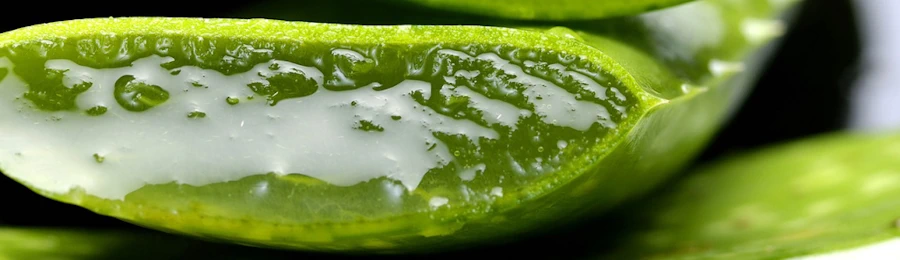
Our aloe vera gel is thick, chunky, and naturally “slimy” because it is hand-filleted, minimally blended, unfiltered, and never pasteurized, which preserves its natural mucopolysaccharides. Most aloe products are heavily processed, enzymatically broken down with a watery consistency. What you’re seeing in our aloe is what fresh, intact aloe gel actually looks and feels like.
✅ Additional Details
Why Our Aloe Vera Is Thick, Chunky, and Naturally Slimy
Many people ask why our aloe vera drink looks and feels so different from other brands — thicker, chunkier, and yes… slimy. The short answer is simple:
That’s what real, minimally processed aloe vera gel is supposed to be like.
Minimal Blending Preserves Aloe’s Natural Structure
We process our aloe using a giant slow-speed blender that is intentionally not fast enough to fully purée the aloe fillets. We could blend it faster — but we deliberately choose not to.
Why?
Because aloe’s unique compounds are mucopolysaccharides.
- “Poly” means many
- “Saccharides” means sugars
- Aloe’s primary sugar is mannose, not glucose
The more intact these mucopolysaccharides remain, the thicker and more slippery the aloe gel is. As aloe is broken down mechanically or enzymatically, that thickness disappears.
Enzymes Are Why Aloe Gets Thinner Over Time
Fresh aloe vera naturally contains enzymes — including amylase — whose job is to break things down. Over time, these enzymes slowly digest the aloe itself.
That’s why you’ll notice:
- Aloe gets thinner the longer it sits in the refrigerator
- After weeks, it may pour almost like water
- This is normal and expected in real but processed aloe
The more aggressively aloe is blended, the more enzymes are released — speeding up this breakdown.
That’s also why we recommend:
- Keeping 7–10 days’ worth in the refrigerator
- Freezing the rest in smaller containers to slow enzymatic activity
Why Other Aloe Brands Feel Watery (or Artificially Thick)
Many commercial aloe products:
- Fully purée the gel
- Heat or pasteurize it
- Filter out pulp and fiber
- Or add thickeners afterward to mimic the original texture

Some brands openly state they use ingredients like carrageenan (a seaweed-derived thickener) to create a “gel-like” consistency that still pours easily.
This is how they say it on their website: “With our thickening agent Carrageenan, which is derived from moss, the consistency of the gel should still pour easily from the bottle and be slightly thicker than a juice consistency”.
This does not make it “bad aloe”. It just demonstrates a difference between fresh frozen gel and processed shelf-stable aloe vera.
Our aloe contains no added thickeners. What you see is the natural structure of intact aloe gel.
Why Our Aloe Is Thicker Than Ever Right Now
Currently, our aloe is:
- Grown and processed in Florida
- Hand-filleted
- Processed in-house
- Frozen to preserve freshness
When aloe must be processed elsewhere due to weather or supply issues, different equipment may result in a slightly smoother and thinner texture — but it will still retain its natural sliminess because we freeze it quickly and avoid unnecessary breakdown.
If the Texture Is Too Thick for You
That’s completely okay.
You can:
- Blend it gently at home
- If it foams, let it sit ~10 minutes and it will settle
- Be aware that further blending shortens refrigerator shelf life
The Bottom Line
If your aloe looks thick, chunky, and slimy, that’s not a flaw — it’s a sign that:
- The mucopolysaccharides are still intact
- The aloe hasn’t been over-processed
- You’re seeing something much closer to fresh aloe from the field
As Dr. Haley likes to say:
“If it pours like water on day one, it didn’t start out that way.”
You are now officially an aloe vera expert. 🌱