
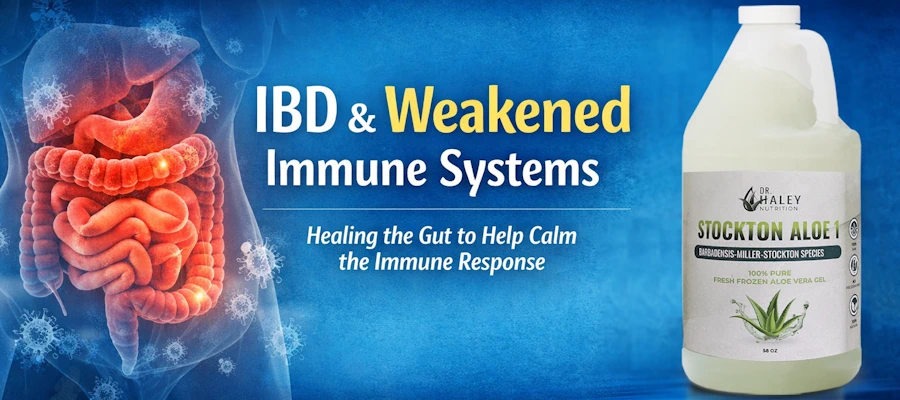
Inflammatory Bowel Disease (IBD) includes conditions such as Crohn’s disease and ulcerative colitis, both of which involve chronic inflammation of the digestive tract. Many people with IBD are told they have a “weakened immune system.”
However, the reality is more complex.
In many cases, the immune system in people with IBD is not simply weak — it is dysregulated. It may be overworking, misdirected, and constantly activated because of signals coming from an unhealthy gut.
Understanding why this happens can help explain the connection between gut health and immune function, and why healing the gut often helps calm the immune system.
Clinical Summary
People with inflammatory bowel disease (IBD) often appear to have weakened immune systems because chronic gut inflammation and intestinal permeability continually trigger immune responses. When bacteria, toxins, or undigested food particles leak into the bloodstream, the immune system produces antibodies and inflammatory signals to address them. Over time this constant immune activation can exhaust immune defenses and may contribute to autoimmune reactions.
Quick Answer
People with IBD often appear to have weakened immune systems because the immune system is constantly activated by inflammation and substances leaking from a damaged gut lining. This ongoing immune activity can exhaust immune defenses and contribute to autoimmune reactions, making it harder for the body to respond appropriately to real threats.
The Gut–Immune System Connection
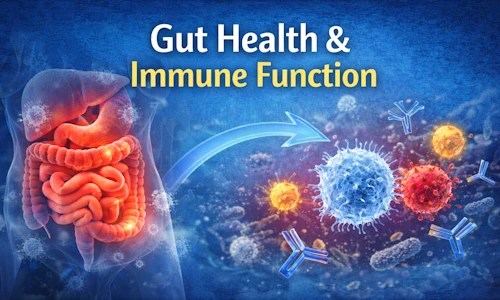
About 70% of the immune system resides in and around the digestive tract. The gut is where the immune system constantly evaluates what enters the body.
Normally, the gut lining acts as a protective barrier that allows nutrients to pass into the bloodstream while blocking harmful microbes, toxins, and undigested food particles.
When this barrier is damaged — something that commonly occurs with IBD — the gut can become more permeable. This is often described as “leaky gut.”
When this happens, substances that should remain inside the digestive tract can enter the bloodstream, triggering immune reactions.
These substances may include:
- Bacterial fragments
- Undigested food proteins
- Environmental toxins
- Inflammatory molecules
The immune system then reacts by producing antibodies and inflammatory signals to deal with these unexpected invaders.
When the Immune System Is Overworked
Because these substances may leak into the bloodstream day after day, the immune system can become chronically activated.
This constant activation may lead to several problems:
Immune Exhaustion
The immune system is always working, leaving fewer resources available to fight real infections.
Chronic Inflammation
Persistent immune activity creates inflammatory chemicals that can damage tissues.
Autoimmune Reactions
When the immune system is repeatedly exposed to foreign particles in the bloodstream, it may begin mistakenly attacking the body’s own tissues.
This process is believed by many researchers to contribute to autoimmune conditions.
So in many people with IBD, the immune system is not weak in the traditional sense — it is overstimulated and misdirected.
Why Healing the Gut Can Help Calm the Immune System
If the immune system is constantly reacting to substances leaking through the gut lining, then restoring the gut barrier can reduce unnecessary immune activation.
When the gut lining begins to heal:
- Fewer foreign particles enter the bloodstream
- The immune system receives fewer false alarms
- Chronic inflammation may decrease
- The immune system can refocus on real threats
This is why many gut-focused approaches emphasize reducing inflammation and supporting gut repair.
Foods That May Support Gut Healing
Certain foods contain nutrients that help support the gut lining and promote a healthier digestive environment.
Examples often recommended in gut-supportive diets include:
Aloe Vera (Inner Leaf Gel)
Inner leaf aloe vera contains compounds such as acemannan, which have been studied for their potential role in supporting gut health and immune balance. Many people also ask how much aloe vera to drink when using it for digestive support.
Bone Broth
Rich in collagen, gelatin, and amino acids that may support the intestinal lining.
Fermented Foods
Foods like yogurt, kefir, sauerkraut, and kimchi provide beneficial bacteria that help support a balanced microbiome.
Cooked Vegetables
Well-cooked vegetables are often easier to digest and provide fiber and antioxidants that support gut health.
Healthy Fats
Olive oil, avocado, and omega-3 fats from fish can help support anti-inflammatory pathways.
Foods That May Worsen Gut Inflammation
Some foods are commonly associated with increased inflammation or irritation of the digestive tract, particularly in people with sensitive digestion or IBD.
These may include:
Highly Processed Foods
Refined oils, artificial additives, and preservatives may disrupt the microbiome.
Excess Sugar
High sugar intake may promote inflammatory bacteria in the gut.
Refined Grains
Highly processed wheat products may aggravate digestive symptoms for some individuals.
Industrial Seed Oils
Certain highly processed vegetable oils may contribute to inflammatory pathways.
Food Sensitivities
Some people with IBD react strongly to specific foods such as dairy, gluten, or certain fibers.
Because individual responses vary, many people benefit from working with a knowledgeable healthcare professional to identify personal triggers.
Supporting the Gut to Support the Immune System
The gut and immune system work closely together. When the gut lining is damaged and inflammation persists, the immune system may become overstimulated and ineffective at the same time.
Supporting gut health through diet and lifestyle may help:
- Reduce inflammatory signals
- Improve digestive barrier function
- Support a balanced microbiome
- Allow the immune system to respond appropriately
For many people with digestive conditions like IBD, calming the gut environment can be an important step toward calming the immune system as well.
Key Takeaway
People with IBD may appear to have weakened immune systems not because the immune system is inactive, but because it is chronically activated by inflammation and substances leaking from the gut.
By focusing on healing the gut lining and reducing inflammatory triggers, it may be possible to help the immune system regain balance and function more effectively.
For more questions about aloe vera, digestion, and immune health, visit our frequently asked questions page where we address many of the most common topics.