

As an Aloe vera plant matures, it may gradually develop a visible stem or trunk beneath its lowest leaves. This is especially common when the lower leaves have been harvested over several years.
Eventually, the heavy upper portion of the plant may sit high above the soil. The aloe can become top-heavy, begin leaning, wobble in its container, or fall over completely.
If the upper plant is still healthy, one possible solution is to remove the old root system and replant the healthy top so that it can grow new roots.
This is not routine repotting. It is an advanced way to rejuvenate a mature, bare-stemmed Aloe vera plant.
Quick answer: A healthy mature Aloe vera plant can often form new roots after its old root system has been removed. The remaining stem must be firm and healthy, the cut should be allowed to dry, and the plant must be replanted in a dry, fast-draining growing medium.
If you are planting a young aloe pup rather than working with a mature plant, follow our separate instructions for planting and caring for an Aloe vera pup.
Why Does a Mature Aloe Vera Plant Become Tall and Top-Heavy?
New Aloe vera leaves emerge from the center of the plant. Older leaves remain around the outside and bottom of the plant until they are removed or naturally die.
When aloe leaves are harvested properly, they are normally taken from the bottom first. Repeatedly removing the lowest leaves can gradually expose more of the plant’s stem.
Over time, this can leave a healthy crown of aloe leaves growing at the top of a long, bare stem. Because aloe leaves contain so much water, the upper portion can become quite heavy.
The original root system may eventually have difficulty supporting and anchoring the plant.
A mature aloe may then:
- Lean noticeably to one side
- Wobble in its container
- Pull loose from the soil
- Develop a long, exposed trunk
- Fall over despite having healthy leaves
- Become difficult to support with an ordinary pot
Insufficient light can also cause an aloe plant to stretch or lean toward a window. Cutting the roots will not correct a lighting problem, so first make sure the plant receives adequate light.
Should You Cut the Roots Off Your Aloe Vera Plant?
Removing the entire root system is a drastic step. It should not be used simply because an aloe needs a larger pot.
Try the less disruptive options first:
- Remove crowded pups growing around the mother plant.
- Move the aloe into a wider and heavier container.
- Correct inadequate or one-sided lighting.
- Repot the plant normally if its roots are still healthy.
- Support a slightly leaning plant while it becomes established.
Rerooting becomes more appropriate when the long bare stem and unstable root system make normal repotting impractical.
| This Method May Be Appropriate When… | Do Not Use This Method When… |
|---|---|
| The aloe is mature and otherwise healthy. | The plant is a small aloe pup. |
| The plant has a long, bare stem. | The plant is compact, upright, and healthy. |
| It is top-heavy or repeatedly falls over. | The only problem is insufficient light. |
| The old roots no longer anchor it securely. | The crown or entire stem is soft and rotten. |
| The upper stem is firm and free from rot. | You cannot provide warm, relatively dry recovery conditions. |
The most important requirement is healthy tissue above the old roots. A soft, dark, watery, or foul-smelling stem may indicate rot rather than ordinary aging.
What You Will Need
Prepare everything before making the cut:
- A clean, sharp knife, pruning blade, or small pruning saw
- Rubbing alcohol for cleaning the blade
- Protective gloves
- A clean container with drainage holes
- Dry, fast-draining cactus or succulent growing mix
- Additional mineral material such as pumice or perlite, if needed
- A temporary stake or support for a very large plant
A wide, relatively shallow container is generally better than an excessively deep pot. The container should be large enough to stabilize the plant without surrounding its undeveloped roots with a large volume of moisture-retaining soil.
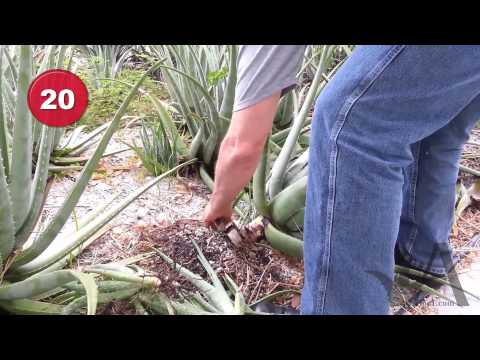
How to Cut and Replant a Tall Aloe Vera Plant
1. Work With a Dry Plant
Do not water the aloe immediately before removing it.
Working while the growing medium is dry makes the plant easier to handle and reduces the amount of wet material around newly injured tissue.
Warm, actively growing weather generally provides better recovery conditions than cold, damp weather.
2. Remove the Plant From Its Container
Carefully lift the entire plant from the pot or ground.
Avoid pulling it by an individual leaf. Support the plant near its base and protect the leaves from bending or breaking.
Remove enough soil to see the roots, the bottom of the stem, and the point where healthy stem tissue begins.
3. Separate the Aloe Pups
If pups are growing around the mother plant, this is a good time to separate them.
Removing crowded pups makes the mature plant easier to handle and allows the pups to be planted separately. It also prevents them from competing for space while the mother plant is developing its new roots.
Pups with their own roots can usually be planted promptly. Rootless pups should be allowed to dry where they were separated before planting.
4. Inspect the Stem Before Cutting
Find a section of firm, healthy stem above the old root system.
The remaining stem must be long enough to help anchor the aloe when it is replanted. When possible, preserve several inches of healthy bare stem beneath the lowest leaves.
Do not cut into the leafy crown.
If the stem is discolored or soft near the roots, plan to cut above the damaged area. The final cut surface should appear firm and healthy.
5. Remove the Old Root System
Clean the cutting tool with rubbing alcohol and allow it to dry.
Make one clean cut through the stem above the old root system. Avoid crushing, sawing repeatedly, or creating a ragged wound.
After cutting, examine the exposed surface.
Healthy tissue should feel firm. If you find dark, wet, or mushy tissue inside the stem, clean the blade and cut slightly higher. Continue only until the cut surface is firm and free from visible decay.
Discard diseased roots and contaminated growing material.
6. Allow the Cut Surface to Dry
Do not immediately bury a freshly cut, wet stem in damp soil.
Place the aloe in a dry, shaded, well-ventilated location and allow the cut surface to dry and seal. This may take a few days, depending on the size of the stem, humidity, and temperature.
Large cuts and humid conditions generally require more drying time.
The cut surface should feel dry rather than moist or tacky before planting.
7. Replant the Aloe in Dry, Fast-Draining Mix
Fill a clean container with dry cactus or succulent growing mix.
Position the aloe upright and bury enough of the bare stem to hold the plant securely. Keep all leaves and the center of the crown above the soil line.
Do not bury the lowest leaves. Leaves that remain in contact with damp growing material are more vulnerable to decay.
Gently firm the mix around the stem without compacting it tightly.
8. Stabilize the Plant
A large aloe may need temporary support because it has no functioning roots immediately after replanting.
Use one or more stakes, soft ties, or another support that will prevent the plant from rocking. Movement at the base can interfere with the development of delicate new roots.
The support should hold the plant upright without cutting into or crushing its leaves.
9. Delay Watering
Do not saturate the pot immediately after planting.
Allow the plant several more days to settle into the dry growing medium. After that, a small amount of water may be applied, provided the cut was fully dry and environmental conditions are warm and well ventilated.
Let the growing medium dry completely before watering again.
A rootless aloe cannot use water the same way an established plant can. Excessive moisture around the cut stem is therefore much more dangerous than temporary dryness.
10. Protect It From Abrupt Sun Exposure
Place the newly replanted aloe in bright light, but avoid suddenly exposing a stressed plant to intense all-day sun.
After the plant begins establishing itself, gradually return it to its normal light conditions.
An aloe that was grown indoors should always be introduced to stronger outdoor sunlight gradually.
How Long Does It Take an Aloe Vera Plant to Grow New Roots?
In our South Florida growing conditions, we generally allow approximately two to three months for a mature rerooted aloe to develop a dependable new root system.
Some new roots may begin forming sooner, but becoming fully anchored takes longer.
Signs that the plant is establishing roots include:
- Increased resistance when the plant is moved very gently
- New growth emerging from the center
- Improved stability in the container
- Leaves beginning to regain their normal fullness
- The plant requiring less external support
Do not repeatedly pull on the plant to check for roots. Newly forming roots are delicate and can be damaged by unnecessary movement.
What Should You Expect During Recovery?
A newly cut Aloe vera plant may not look perfect while it is growing roots.
The plant has temporarily lost its primary way of absorbing water. It must rely largely on moisture already stored in its leaves until new roots develop.
During this period, you may notice:
- Slightly thinner leaves
- Temporary reddish or brown coloration
- Some loss of lower leaves
- Little visible growth
- A plant that appears stressed but remains firm
These changes do not necessarily mean the plant is dying.
The greatest temptation is to respond by adding more water. Unfortunately, keeping a rootless aloe wet can cause the base to rot before new roots form.
Patience and restraint are important.
Signs That the Replanted Aloe May Be Rotting
Inspect the plant if it becomes increasingly unstable or begins deteriorating rapidly.
Possible signs of rot include:
- A soft or collapsing stem at soil level
- Dark, wet tissue
- A foul odor
- Leaves separating easily from the center
- A base that appears watery rather than dry and firm
If rot is limited to the bottom of the stem, remove the plant, cut above the damaged tissue with a freshly cleaned blade, allow the new cut to dry thoroughly, and try again in clean, dry growing mix.
A plant with advanced rot extending into the crown may not be recoverable.
Common Mistakes When Rerooting a Mature Aloe
Watering Immediately
The freshly cut stem is particularly vulnerable to decay. Drying the cut and delaying heavy watering reduce this risk.
Using Soil That Holds Too Much Moisture
Dense potting soil can remain wet around the stem. Aloe does better in a coarse, fast-draining growing medium.
Planting in an Oversized Pot
A very large pot contains more growing medium than a rootless plant can use. That extra material may remain wet for too long.
Burying the Leaves or Crown
Only the healthy bare stem should be below the soil line. Keep every leaf and the center of the plant above the growing medium.
Failing to Stabilize the Plant
A top-heavy aloe may rock every time it is moved or watered. Temporary support allows new roots to develop without repeated disturbance.
Returning It to Intense Sun Too Quickly
Aloe appreciates abundant light, but a freshly cut plant may need time to recover before returning to its strongest sun exposure.
Treating a Lighting Problem as a Root Problem
An aloe leaning toward a window may simply need more balanced light. Correct the growing environment before resorting to cutting.
Frequently Asked Questions
Can an aloe vera plant survive without its original roots?
A healthy mature aloe can often form new roots from a firm section of remaining stem. Success depends on the condition of the plant, the cleanliness of the cut, proper drying, good drainage, temperature, and careful watering.
Should I cut healthy aloe roots every time I repot?
No. Healthy roots should normally be preserved during ordinary repotting. Complete root removal is an advanced technique for a mature plant with a long bare stem, serious instability, or a failing root system.
How much stem should remain below the leaves?
Leave enough firm, healthy bare stem to anchor the plant securely. The exact amount depends on the size and shape of the aloe. Do not cut into the leafy crown, and do not bury any leaves when replanting.
Can I plant the aloe immediately after cutting off the roots?
It is safer to allow the cut surface to dry and seal first. Planting a freshly cut wet stem into moist growing material increases the possibility of rot.
How often should a rootless aloe be watered?
Water very sparingly. Allow the growing medium to dry completely between applications, and avoid saturating the area around the cut stem. Watering can become more thorough once the plant has developed roots and is actively growing.
Will removing the roots fix a leaning aloe plant?
It may help when the plant is leaning because it has a long exposed stem and an old root system that no longer supports it. It will not correct leaning caused by insufficient or one-sided light.
What should I do with the old root system?
Discard it if the roots or remaining stem show signs of rot or disease. A healthy rooted stump may occasionally produce additional pups, but that should be treated as a possibility rather than an expected result.
Growing a Mature Aloe Requires Patience
Removing the old roots from a mature Aloe vera plant can look extreme. However, a healthy aloe stores a considerable amount of moisture in its leaves and can remain alive while it develops a replacement root system.
The important things are to start with a healthy upper plant, make a clean cut, allow the wound to dry, provide excellent drainage, stabilize the plant, and resist overwatering.
At Haley Nutrition, we have used this technique with mature Stockton Aloe vera plants after years of lower-leaf harvesting. Recovery time varies with the season, climate, plant condition, light, humidity, and growing medium, so no individual outcome can be guaranteed.
For instructions on starting with a younger plant, read How to Plant and Care for Aloe Vera.
Haley Nutrition also makes our protected-lineage Stockton Aloe vera pups available in limited quantities during suitable shipping weather.